
Faith in Peace
Building Resilient Communities Through Dialogue, Leadership & Action
Faith in Peace is Allied Muslim Youth Uganda’s flagship peacebuilding programme dedicated to promoting peaceful coexistence, strengthening social cohesion, and preventing violent extremism through youth leadership, interfaith collaboration, and community engagement.
The programme recognizes that lasting peace cannot be achieved through security measures alone. Strong, inclusive communities are built when young people, religious leaders, educational institutions, civil society, and local governments work together to address the underlying causes of conflict, intolerance, and violent extremism.
Faith in Peace equips young leaders with the knowledge, skills, and confidence to become peace ambassadors within their communities, creating a network of changemakers who promote dialogue, mutual respect, and active citizenship across Uganda.
Our Vision
A peaceful, inclusive, and resilient society where young people from all faiths and backgrounds work together to prevent violence, promote understanding, and strengthen community cohesion.
Our Mission
To empower young people and communities through education, interfaith dialogue, leadership development, and civic engagement, enabling them to become catalysts for peace and resilience against violent extremism.
Our Approach
Combining education, dialogue, leadership development, and community action to strengthen local resilience. The programme invests in prevention by empowering young people to challenge harmful narratives, build trust across religious and cultural divides, and lead positive change within their communities.
Our Programme Pillars
Faith in Peace Fellowship
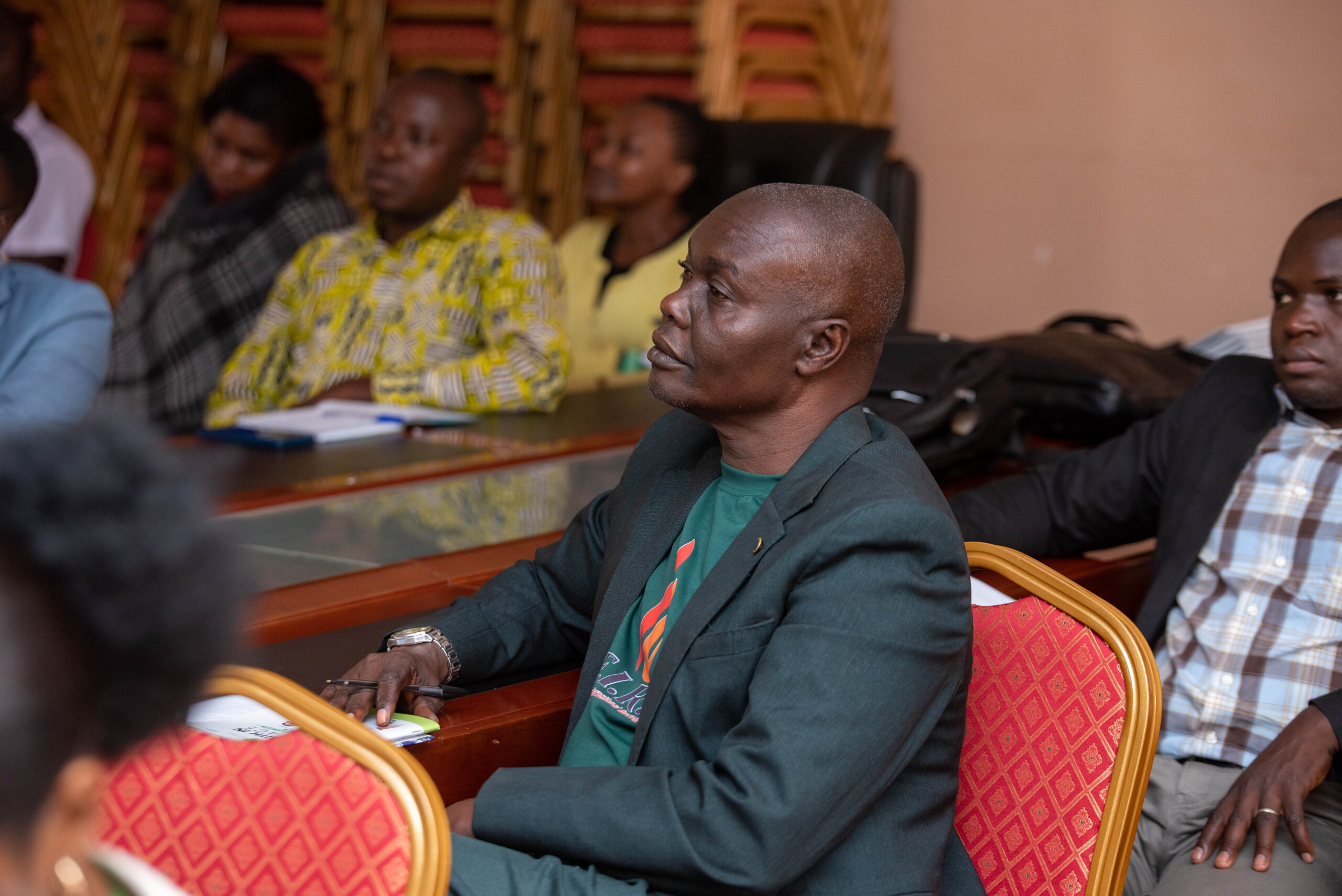
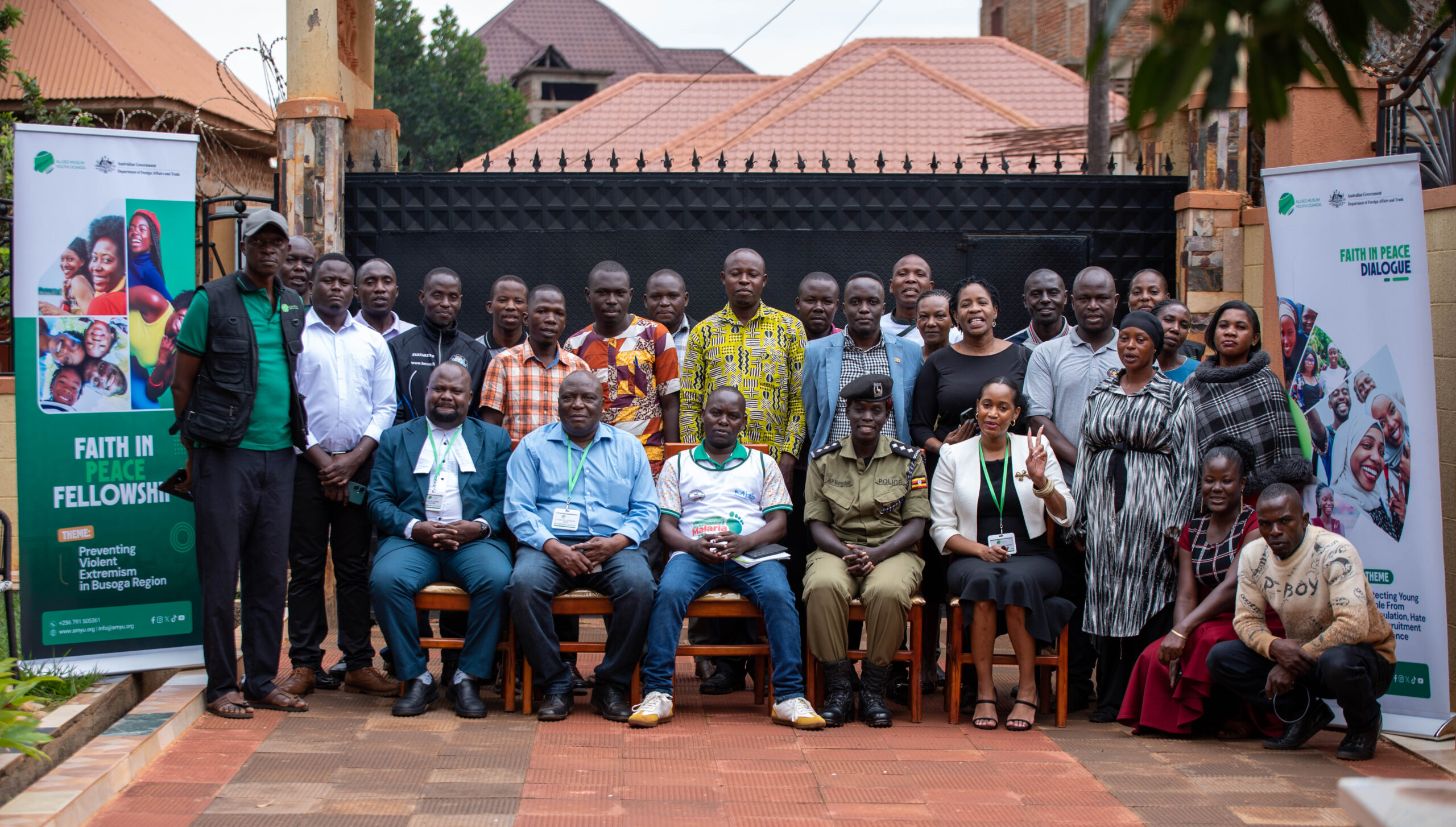
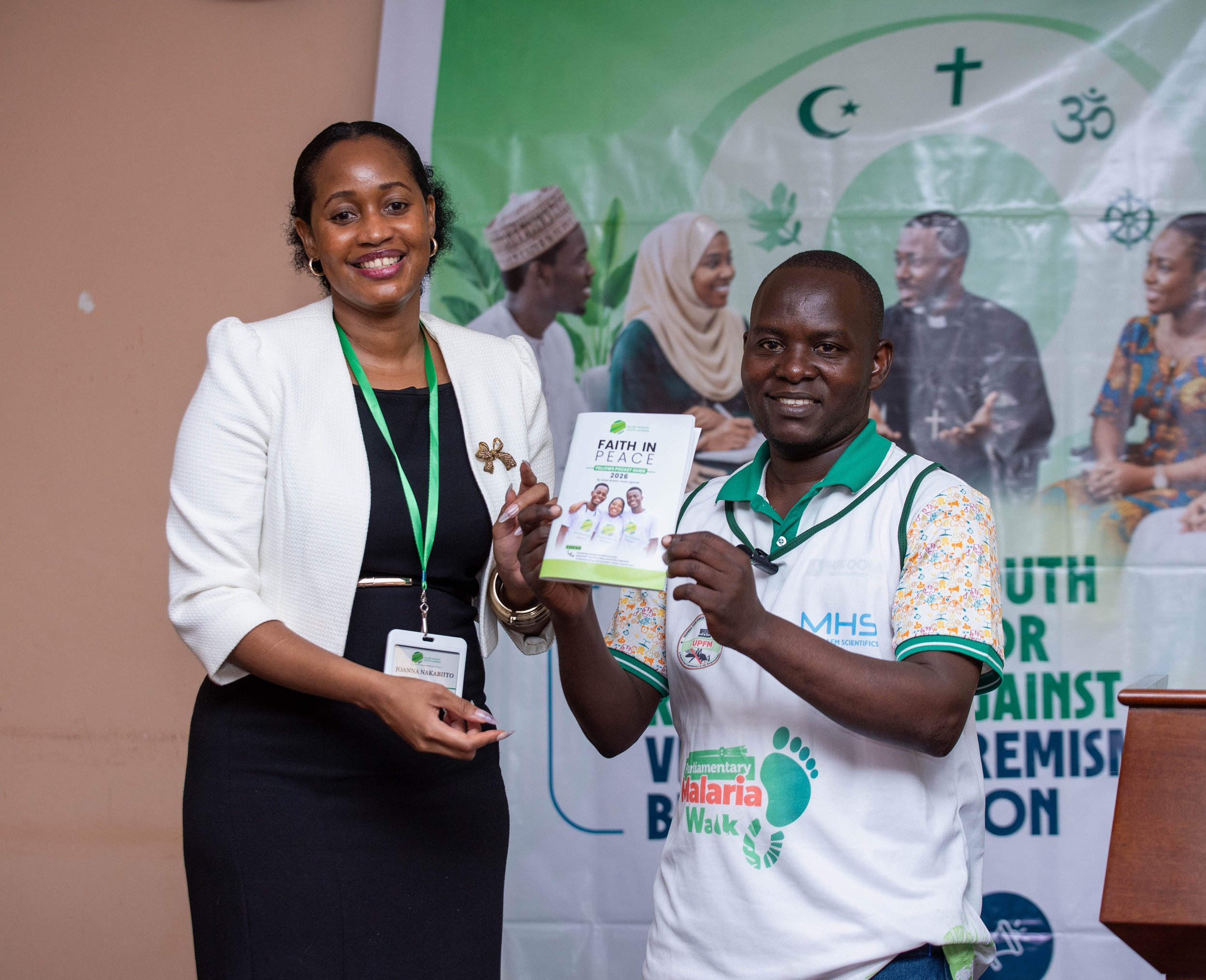
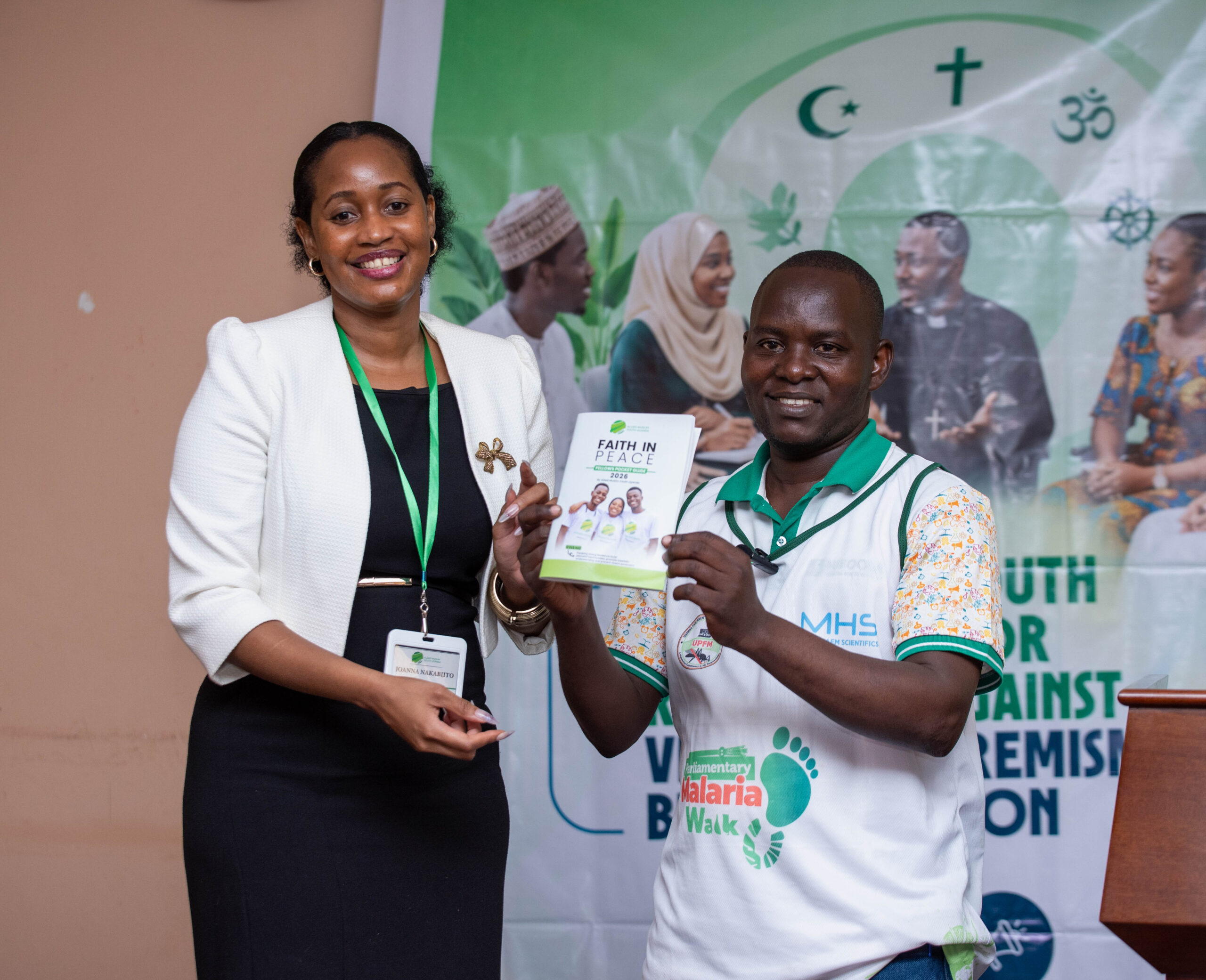
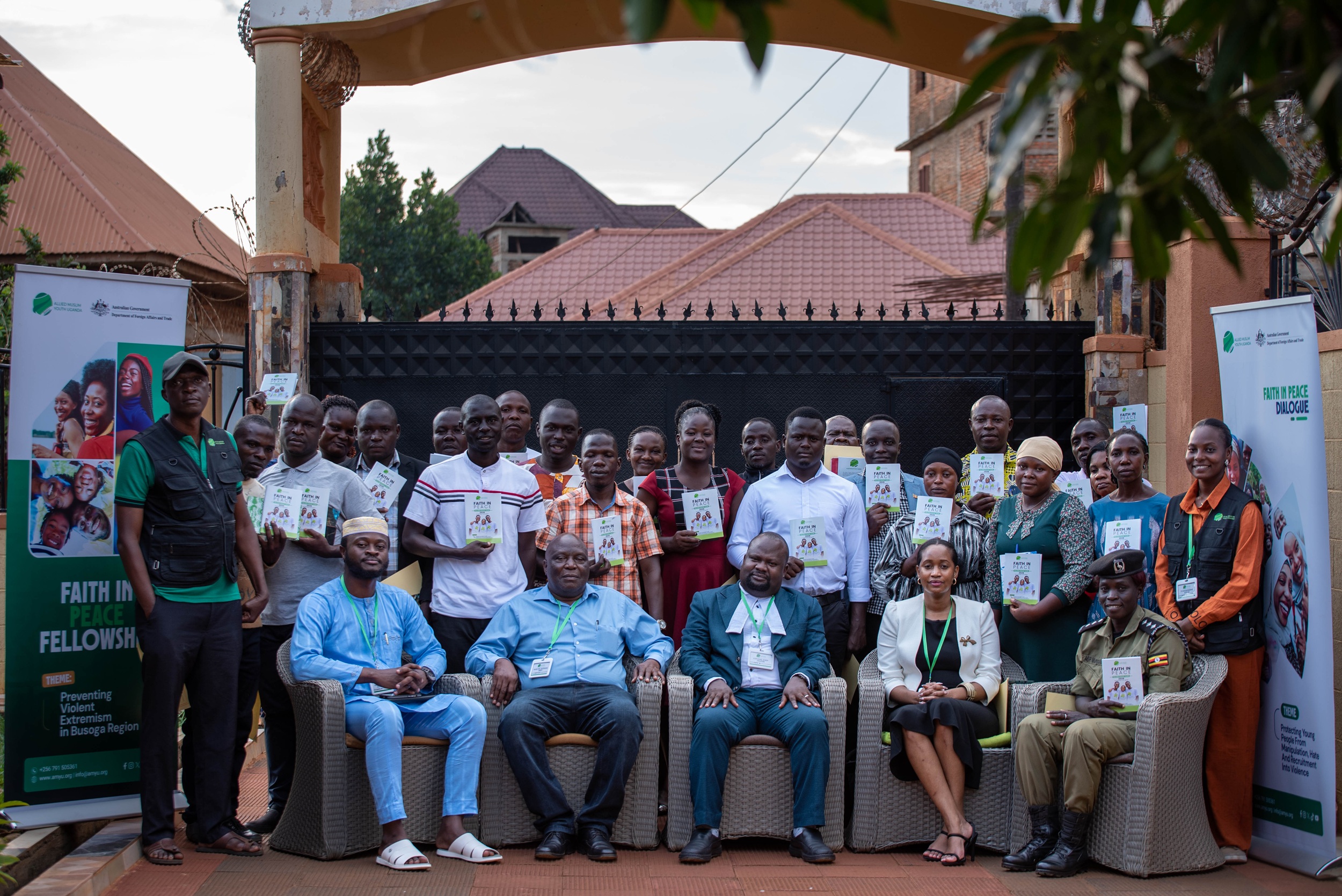
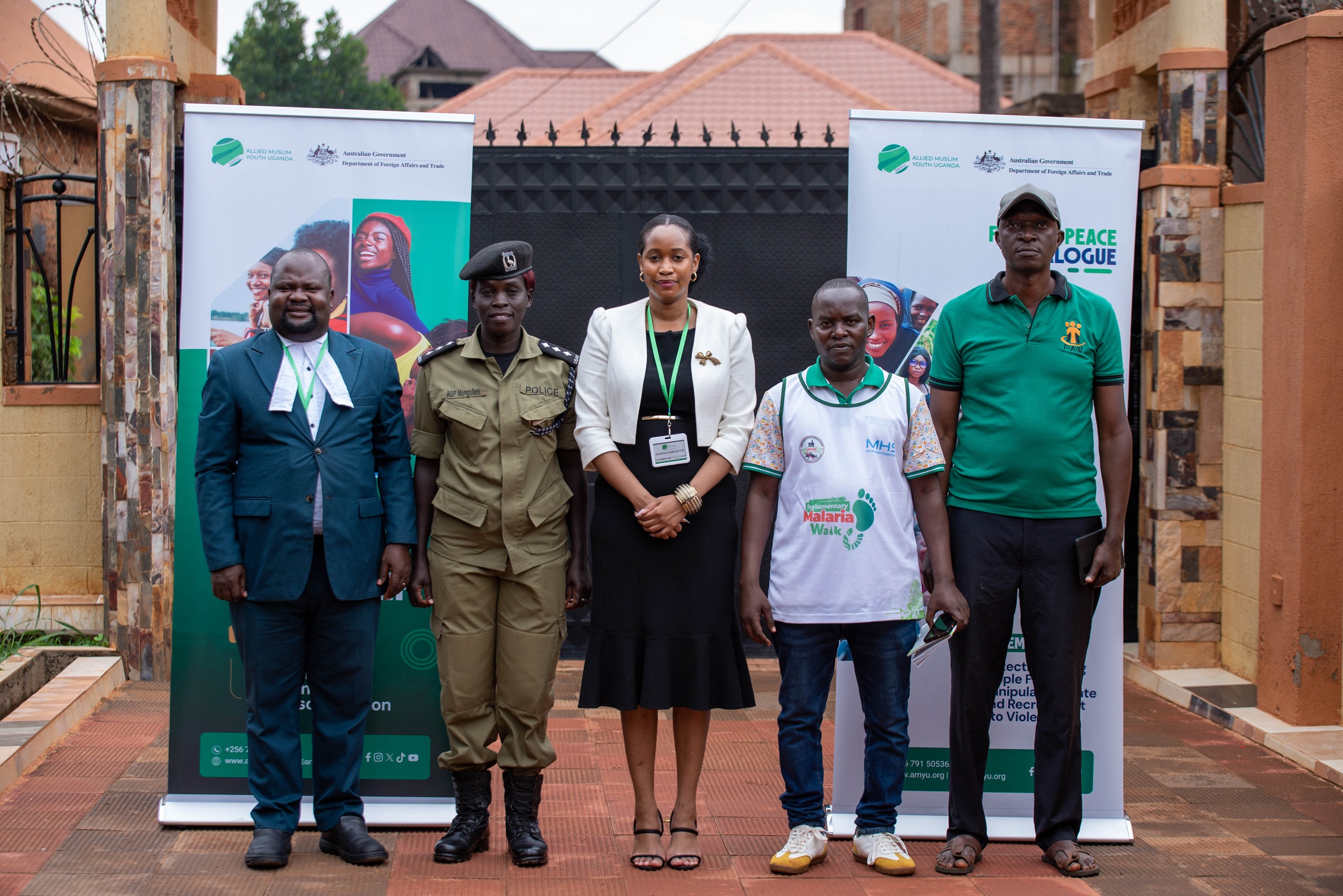
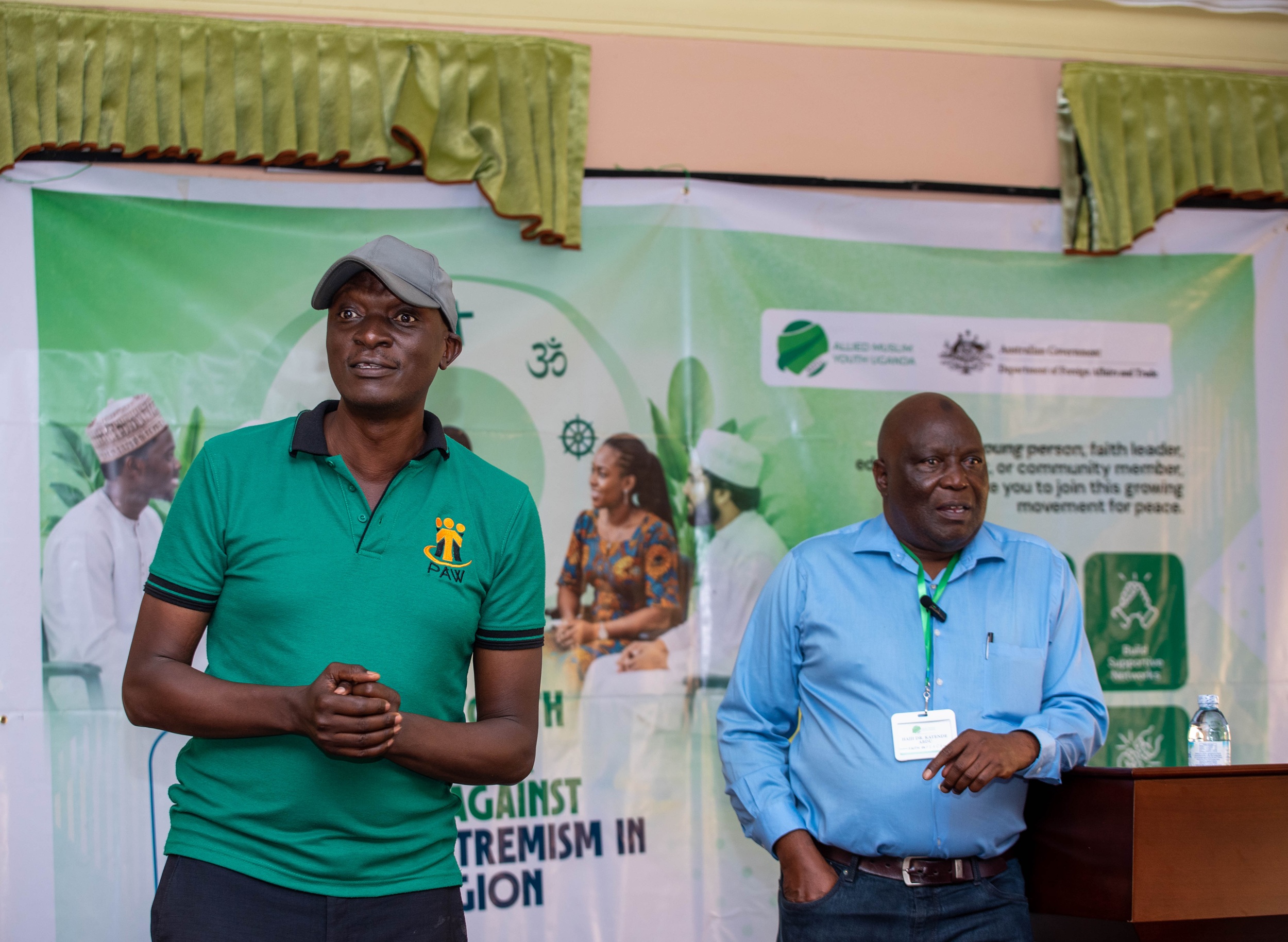
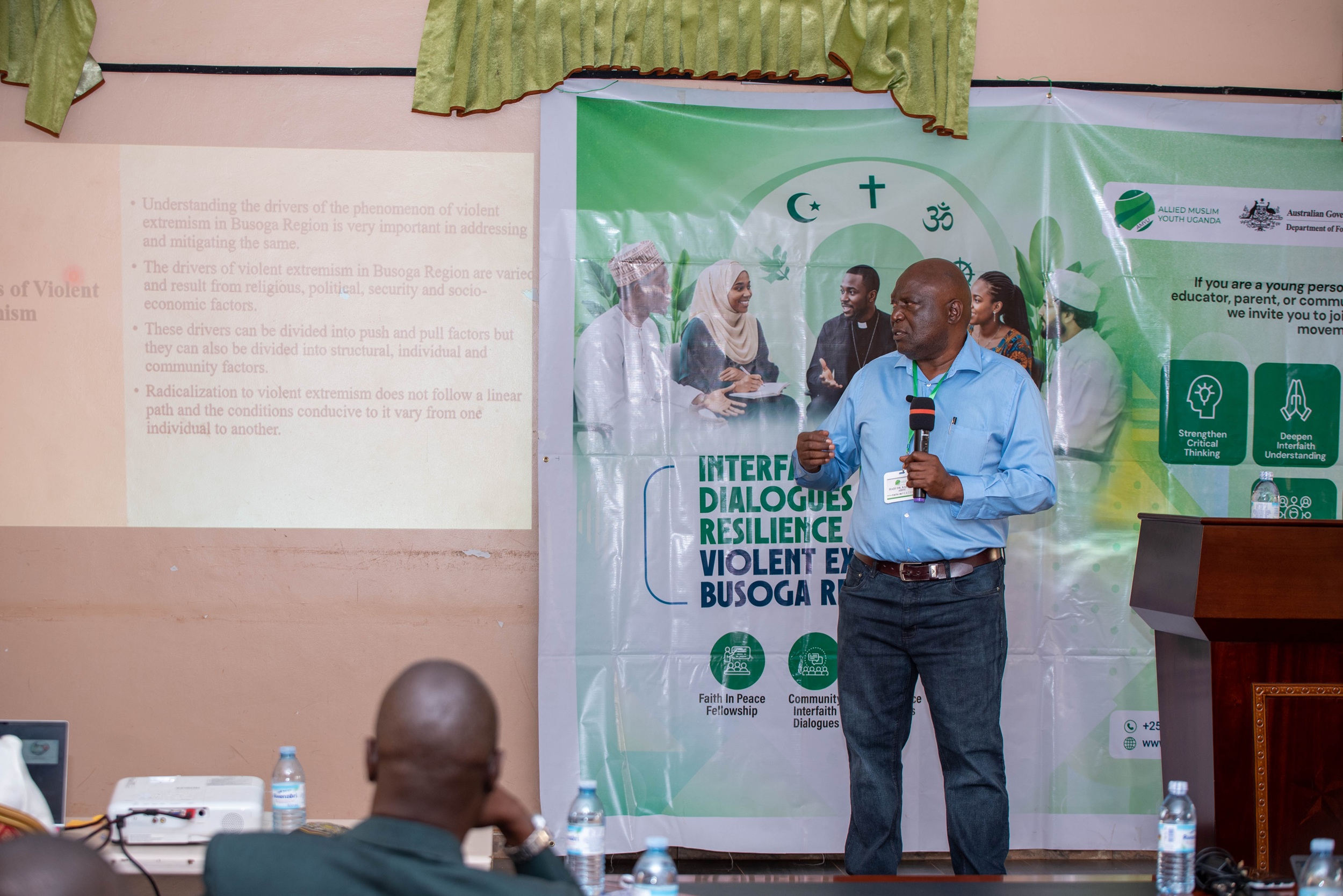
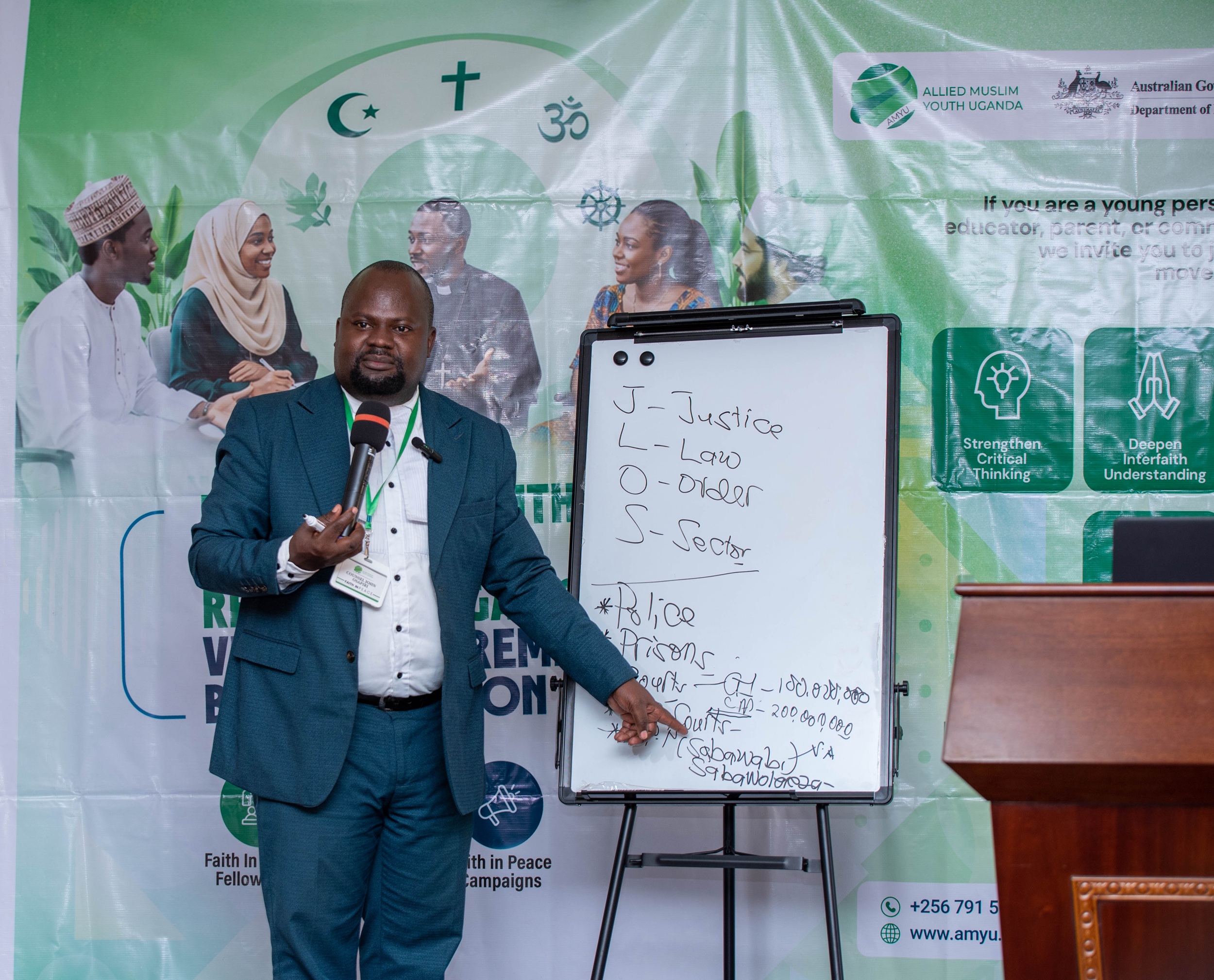
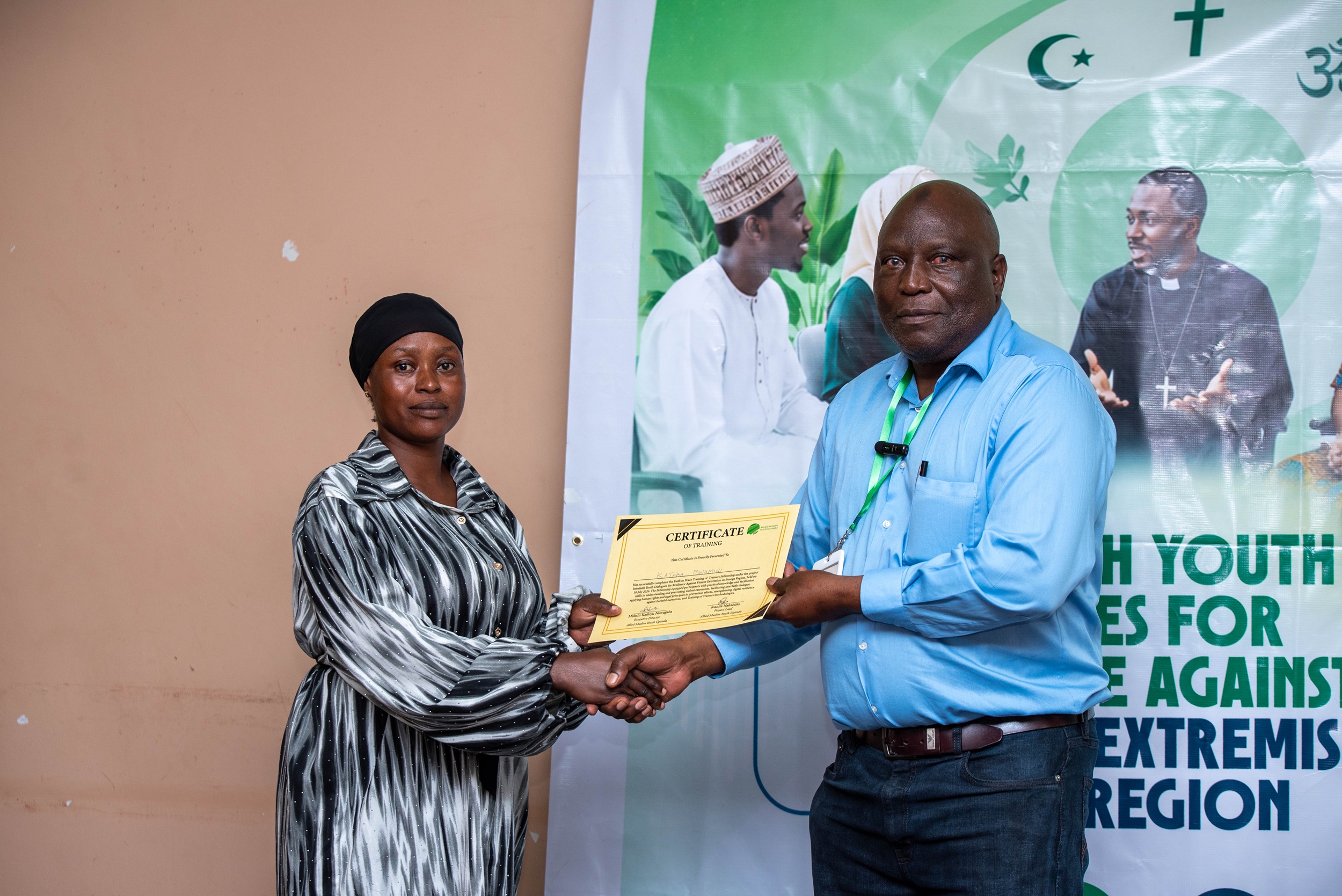
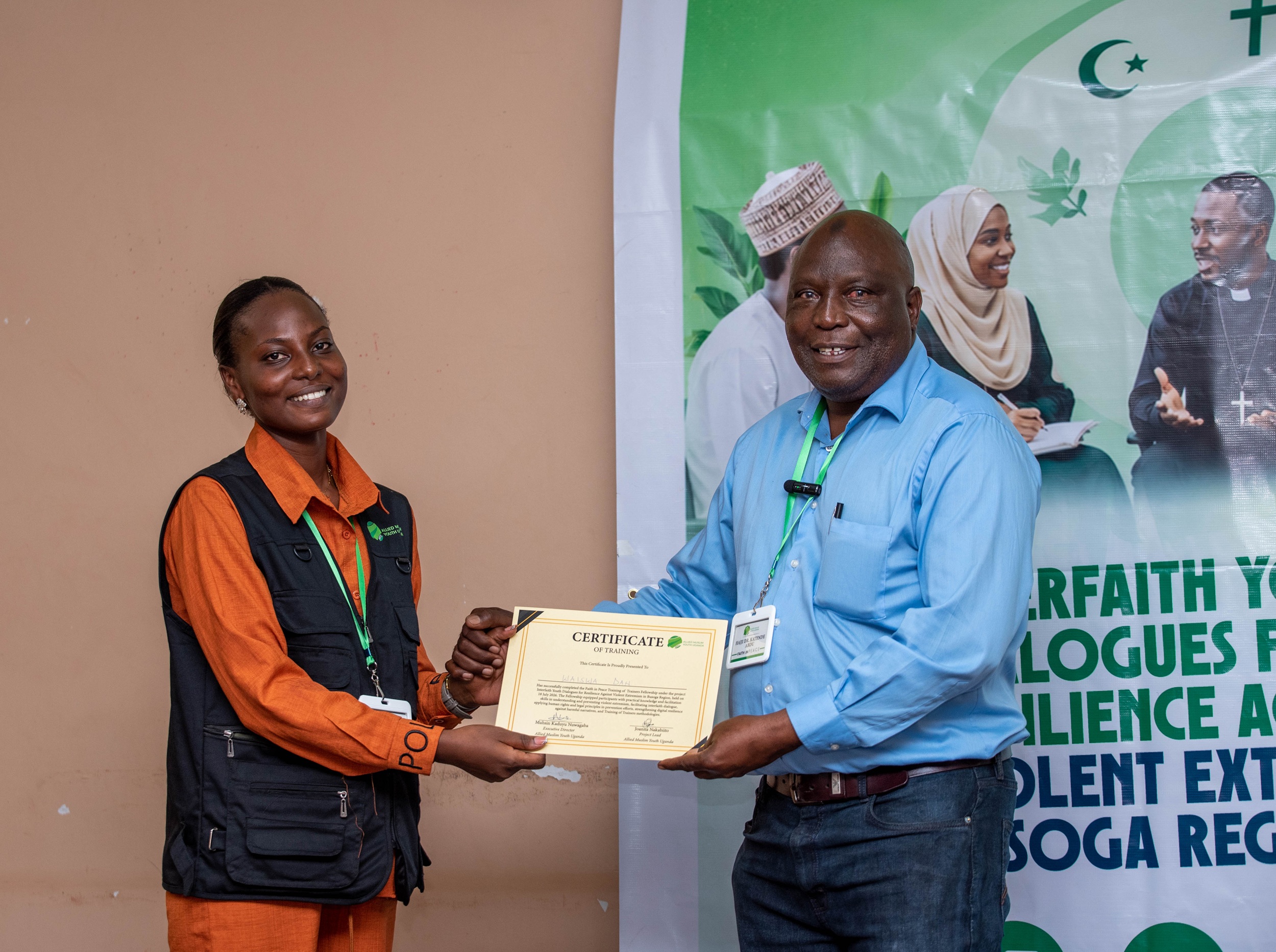
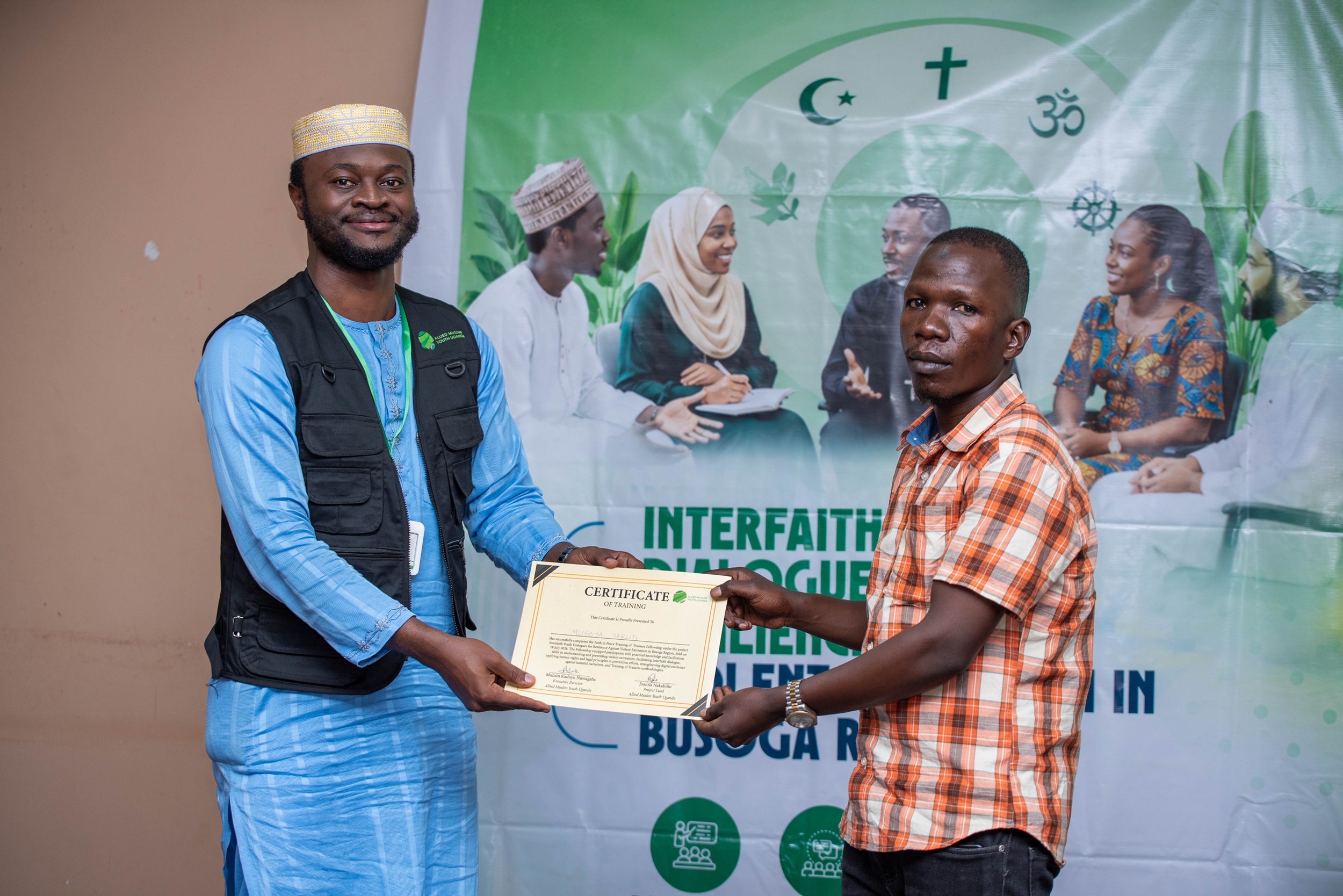
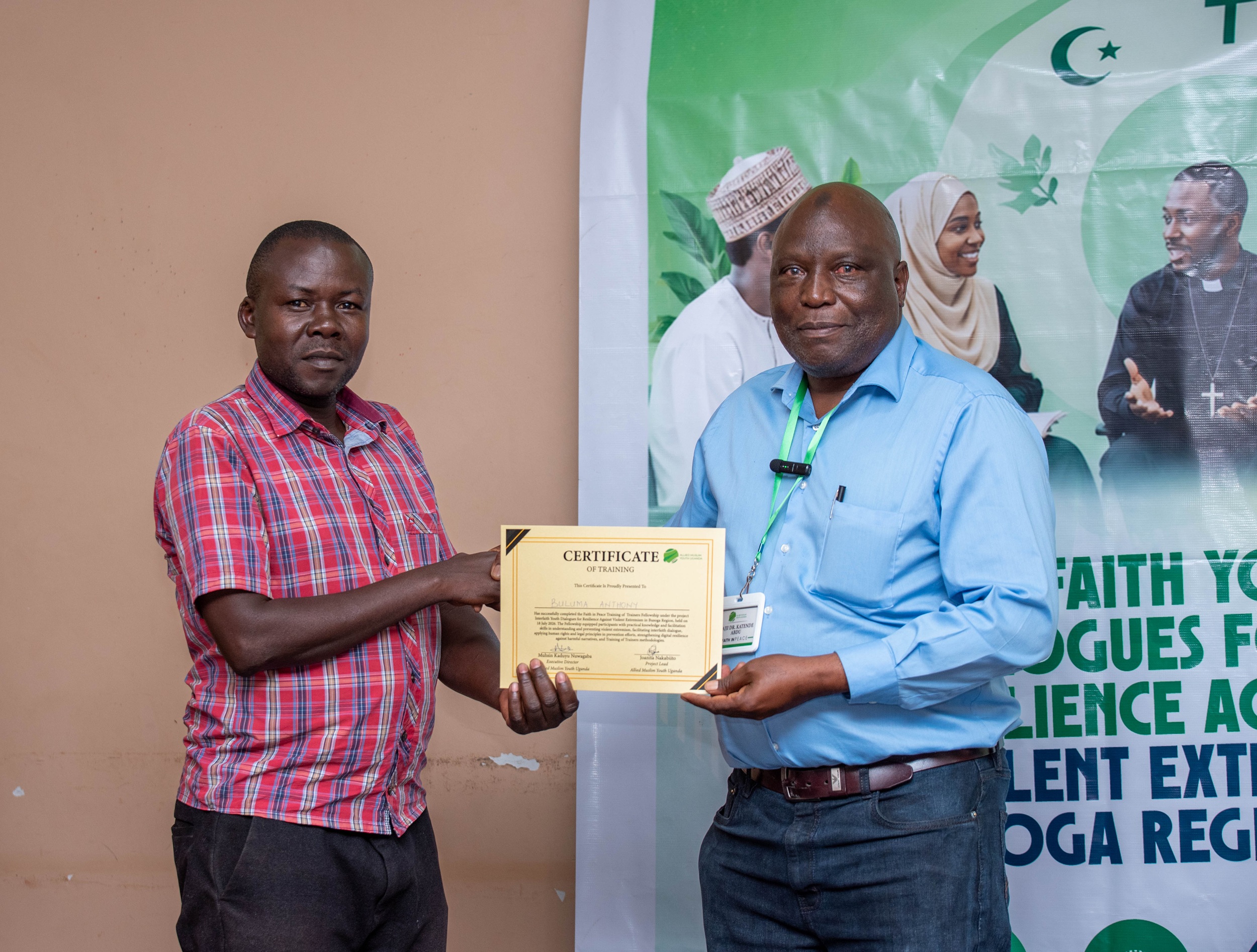
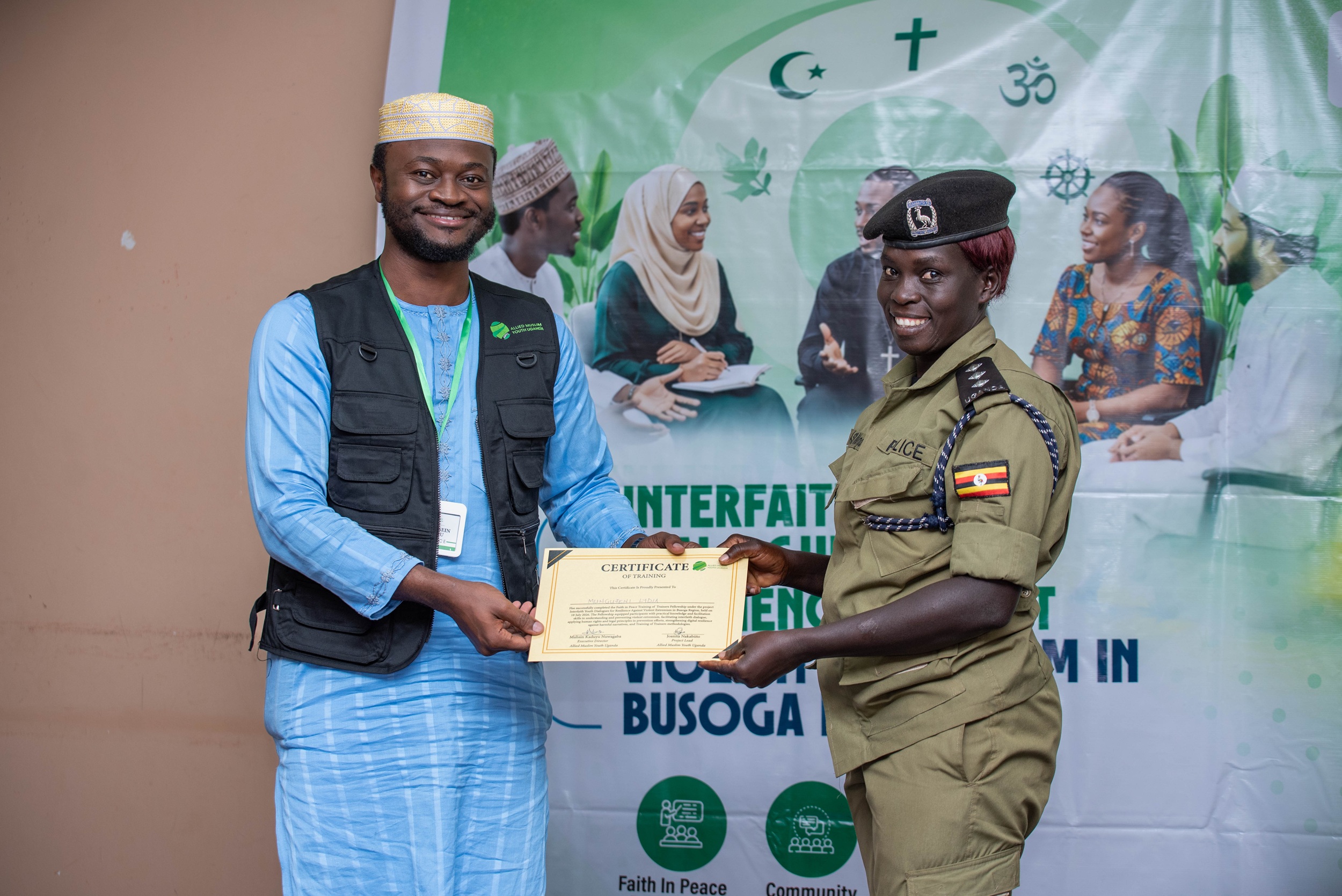
The Faith in Peace Fellowship is the programme’s leadership development initiative. Through a structured Leadership Training of Trainers (ToT) model, selected young leaders receive practical training in peacebuilding, interfaith dialogue, civic leadership, digital literacy, facilitation skills, and preventing violent extremism.
Graduates become Faith in Peace Fellows, joining a growing network of youth leaders who mentor others, facilitate community learning, and establish local peace initiatives.
Interfaith Youth Dialogues
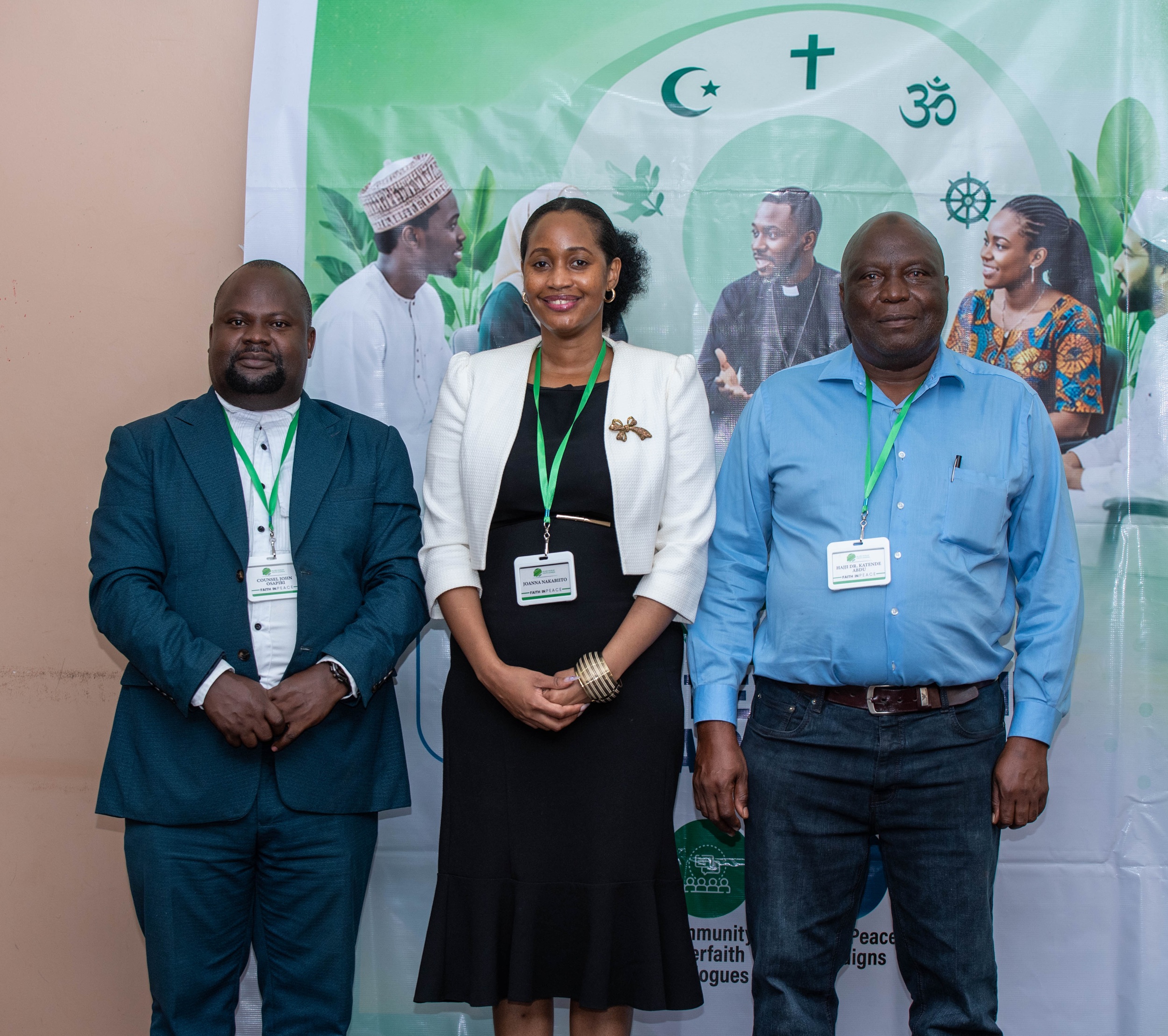
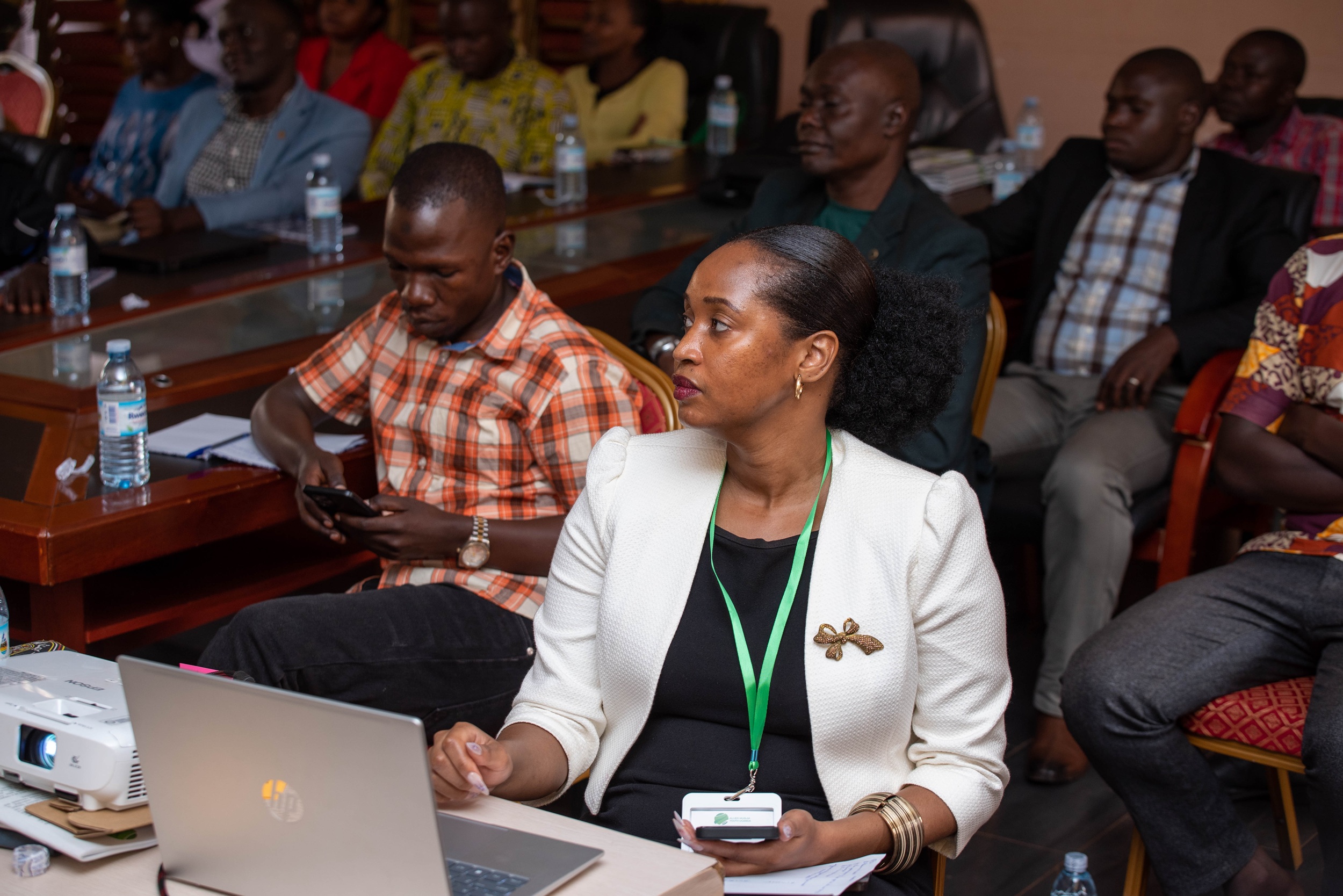
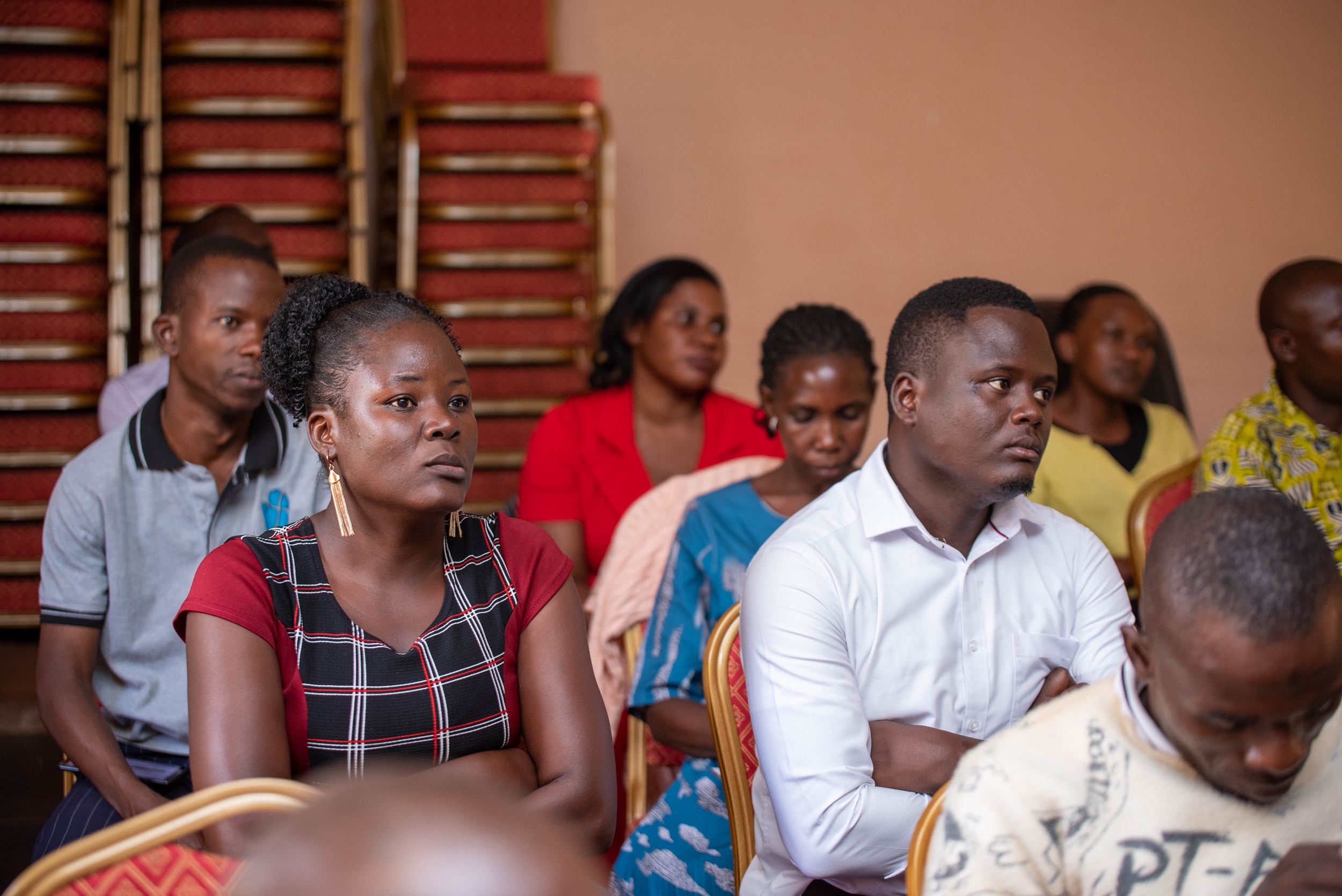
Faith in Peace organizes structured dialogues that bring together young people from different religious and cultural backgrounds to discuss shared challenges, build trust, challenge stereotypes, and develop locally driven solutions for peaceful coexistence. These dialogues create safe spaces where diverse perspectives are respected and collaboration is encouraged.
Faith in Peace Clubs
Faith in Peace Clubs are established in universities, schools, places of worship, and communities to provide sustainable platforms for peer learning, leadership development, civic engagement, and peacebuilding activities. Club members organize awareness campaigns, dialogue sessions, mentorship programmes, community service initiatives, and other activities that strengthen community resilience.
Community Peace Campaigns
The programme works beyond formal training by engaging communities through radio programmes, television discussions, social media campaigns, public forums, newsletters, opinion articles, and digital storytelling. These campaigns amplify positive narratives of religious tolerance, responsible citizenship, and peaceful coexistence while countering misinformation, hate speech, and extremist propaganda.
Research & Learning
Faith in Peace supports research, evidence generation, and policy dialogue to better understand the drivers of violent extremism, youth vulnerability, and community resilience. Lessons learned from programme implementation help improve future interventions and contribute to national and regional peacebuilding efforts.
Why Faith in Peace Matters
Communities are strongest when diversity is embraced, dialogue replaces division, and young people are empowered to lead.
Faith in Peace invests in the next generation of peacebuilders by providing the tools, networks, and opportunities needed to foster understanding, resolve differences peacefully, and build resilient communities capable of resisting violence and extremism.
What We Teach
Faith in Peace equips participants with practical knowledge and skills in:
- Preventing and Countering Violent Extremism (PCVE)
- Interfaith Dialogue and Religious Understanding
- Peacebuilding and Conflict Prevention
- Youth Leadership and Civic Engagement
- Facilitation and Public Speaking
- Digital Literacy and Countering Harmful Narratives
- Human Rights and the Rule of Law
- Community Mobilization and Volunteerism
- Early Warning and Community Resilience
- Stronger interfaith relationships.
- Increased youth leadership in peacebuilding.
- Improved community resilience against violent extremism.
- Greater tolerance and social cohesion.
- Youth-led civic participation and community service.
- Sustainable community peace structures through Faith in Peace Clubs and Fellowship Networks.
- Who We Work With
The Programme Contributes to:
Implemented through collaborationwith:
Together, these partnerships strengthen local ownership and ensure that peacebuilding efforts continue beyond individual projects.
- Universities and institutions of higher learning.
- Religious institutions and faith leaders.
- Youth organizations.
- Local governments.
- Community-based organizations.
- Civil society organizations.
- National and international development partners.
Join Our Movement
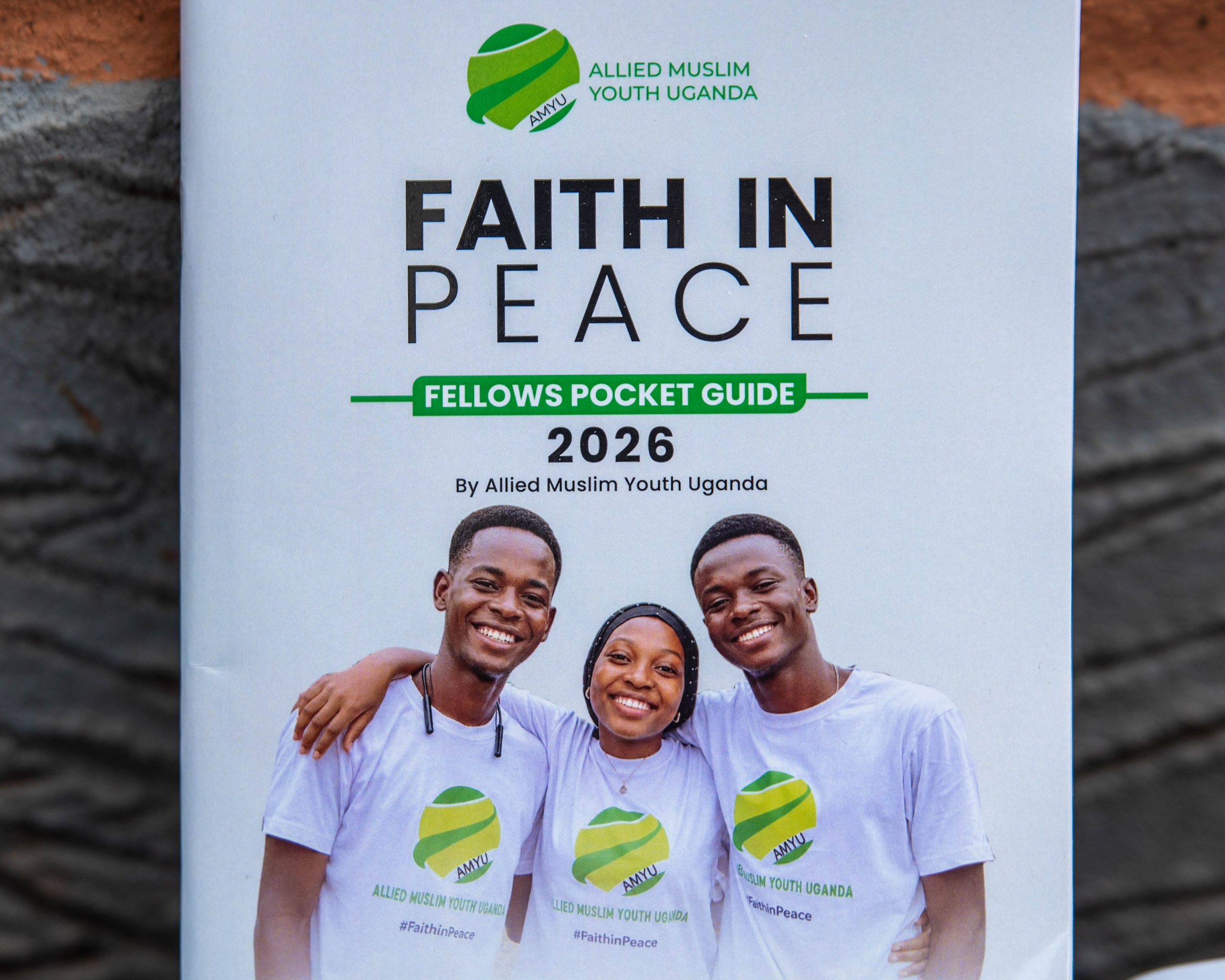
Whether you are a young leader, educator, faith leader, policymaker, donor, or community member, you can play a role in building a more peaceful and inclusive future.
Partner with Allied Muslim Youth Uganda through the Faith in Peace programme to strengthen communities, empower young leaders, and advance lasting peace across Uganda.